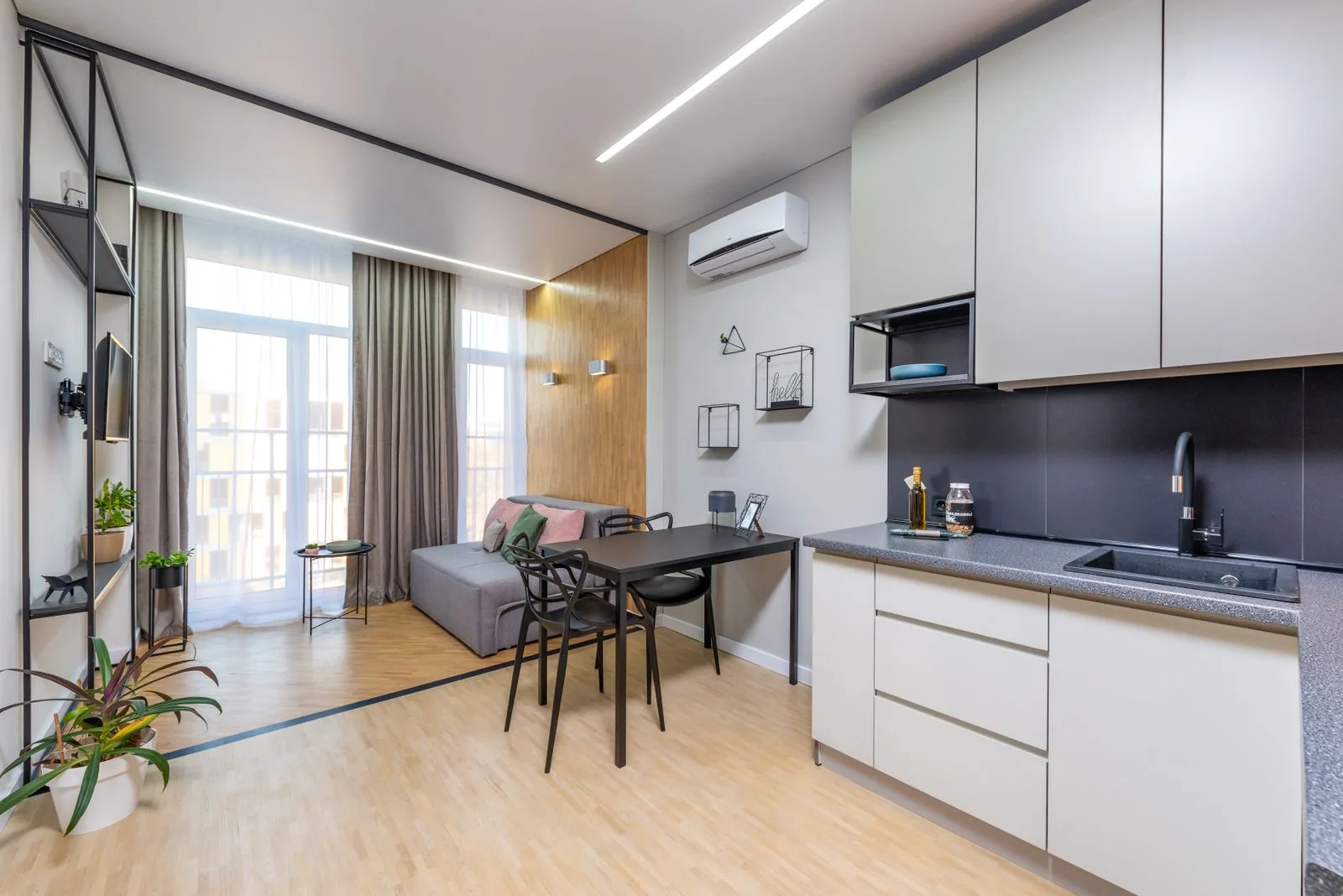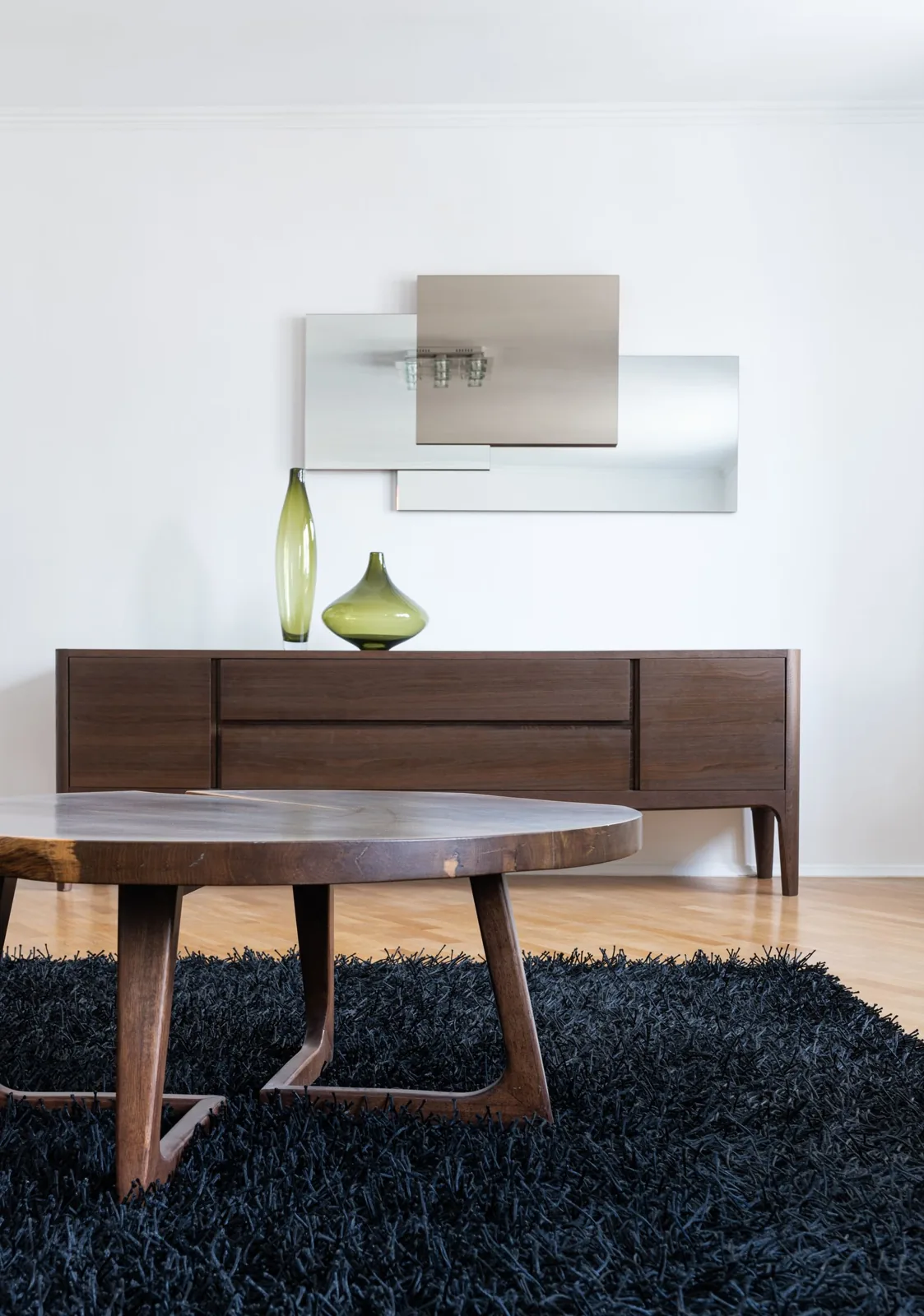
Choose a rug by drawing the area it needs to serve, then checking what happens at its edges. Chairs, doors, walking routes, and cleaning all affect whether a rug works in a rental. Pattern and color can be considered after those ordinary movements have a workable place.
Name the area the rug is meant to define
Decide whether the rug belongs to a seating group, a dining arrangement, a bedside area, or another specific use. Measure that group with the furniture in its normal position. A large empty rectangle on the floor plan does not establish the right size if the people and furniture using it have been left out of the drawing.
The IKEA size guidance organizes choices by room and furniture arrangement. Use those examples as comparisons rather than fixed rules for every home. A rug can connect suitable furniture visually, but it should not be assumed to make the room physically larger or correct a layout that already blocks movement. Start with the functional arrangement, then see whether a rug adds something useful to it.
For a dining area, draw a second outline with the chairs pulled back rather than checking only the tucked-in arrangement. For a sitting area, include the route to the room door. These two sketches reveal different edge problems and make the comparison more useful than choosing from tabletop or sofa width alone.
Test the edges against real movement
Mark the proposed boundary using a method appropriate for the floor, or use a paper plan if marking is unsuitable. Open the nearby doors and drawers and check their movement. Include any underlay when comparing the product's thickness with available clearance. A door that barely passes an uninstalled rug sample may not answer the finished arrangement's requirements.
Walk the usual route across and beside the proposed area. Consider individual access needs and mobility equipment rather than assuming a particular pile or edge is appropriate for everyone. If the rug creates a persistent obstacle, choose a different arrangement or omit it. A decorative addition is optional; it does not need to be retained when it makes an important route harder to use.
Include chairs in their occupied positions
At a dining table, pull the intended chairs out as people do when sitting and getting up. Compare their movement with the rug boundary. A rug that looks proportionate beneath an empty table can behave differently when chair legs move across its edges. Check the actual chairs rather than a generic illustration with much smaller seats.
In a seating area, decide how the rug relates to the sofa, occasional chairs, and tables. A partially supported piece of furniture must remain suitable and stable in its actual arrangement. Compare options using the real footprint and the manufacturer's requirements, then check whether the result remains practical when the room is occupied.
Treat the rug and floor as a material pair
Read both the rug and flooring guidance when selecting an underlay or other accessory. A product suitable for one floor finish may not be suitable for another. Do not assume that any grippy sheet is compatible, or that a rug advertised for indoor use works with every floor-heating arrangement. Obtain product-specific confirmation where the requirements are unclear.
Check how the rug should lie and whether its edges remain in the intended condition. Follow setup and care instructions rather than improvising permanent adhesives or modifications in a rental. If the floor is damaged, damp, or otherwise unsuitable, address that condition through the appropriate responsible person. Covering it with a rug is not a repair or evidence that the underlying problem is harmless.
Put cleaning needs into the purchase decision
Look at the actual care label and the maker's instructions. A rug's fiber name alone does not establish that the finished product can be washed, wet-cleaned, or handled with a particular machine. Consider the size and weight during the permitted care process as well as the equipment or service you can realistically access.
A heavily used position may need different care effort from an occasional room. Choose according to the household's actual activity, not a promise that a dark pattern will make dirt disappear. Keep instructions with the purchase record and distinguish ordinary loose-dirt removal from stain treatment. The separate rug-care guide covers building that instruction record; this decision is whether the requirements suit your home before buying.
Compare the visual choice within the workable options
Once the footprint, edges, materials, and care fit, compare colors and patterns against the existing floor and furniture. Check real samples where available and remember that screens and showroom light can change appearances. A pattern you enjoy is a valid preference; there is no requirement to choose a neutral rug for a small room.
Chair legs crossing a proposed rug edge
Mark a candidate rug's edges on a room sketch with the dining chairs pulled into their normal occupied positions. Compare that with the chairs pushed in and the nearby door open. If the edge falls across the movement you use to sit down, ask whether a different appropriate size or no rug better serves the room. Add the actual floor and underlay compatibility question to the comparison. A larger decorative rectangle is not automatically the answer, because it may then obstruct a door. The chosen boundary must suit the furniture's movement as well as its resting photograph.