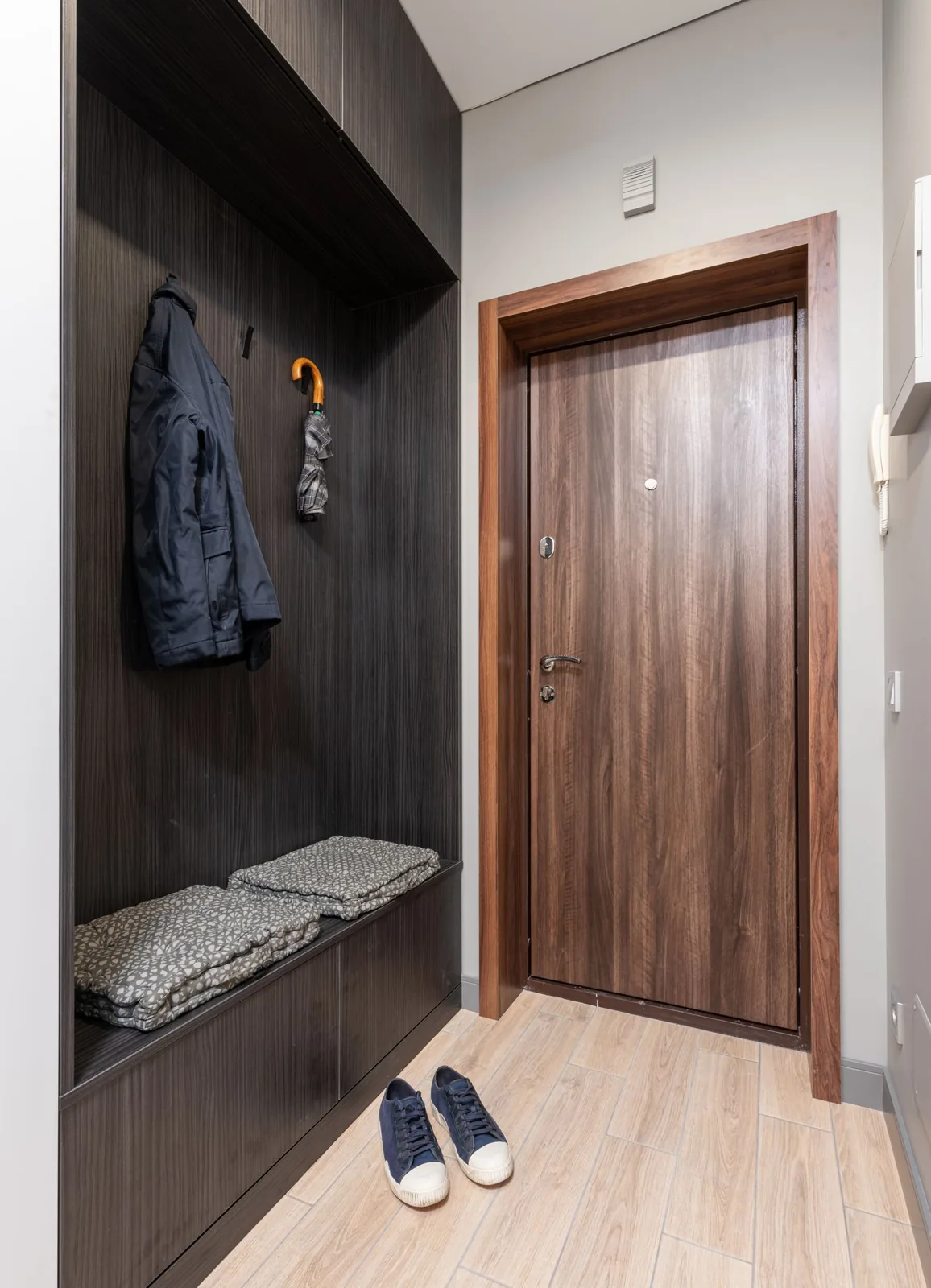
A rental refresh can be a sequence of portable decisions rather than a miniature renovation. Choose one room problem, identify what must stay, and compare changes that can do a useful job here. Keep the care, permissions, and eventual removal of those changes in the plan from the beginning.
Write a room brief with one practical priority
Name the room's main point of friction in ordinary language. It might lack a suitable reading light, have no convenient place for a bag, or feel visually disconnected despite functional furniture. Choose one priority for this refresh rather than trying to solve storage, lighting, layout, and decoration in a single purchase.
Record the items and fixed features that remain. Property-owned furniture, flooring, and existing fittings belong in the brief even if they would not be your first choice. Distinguish a maintenance problem from a styling preference. Damage, leaks, faulty equipment, or other defects need an appropriate response through the responsible person; concealing them with a decorative change does not repair them.
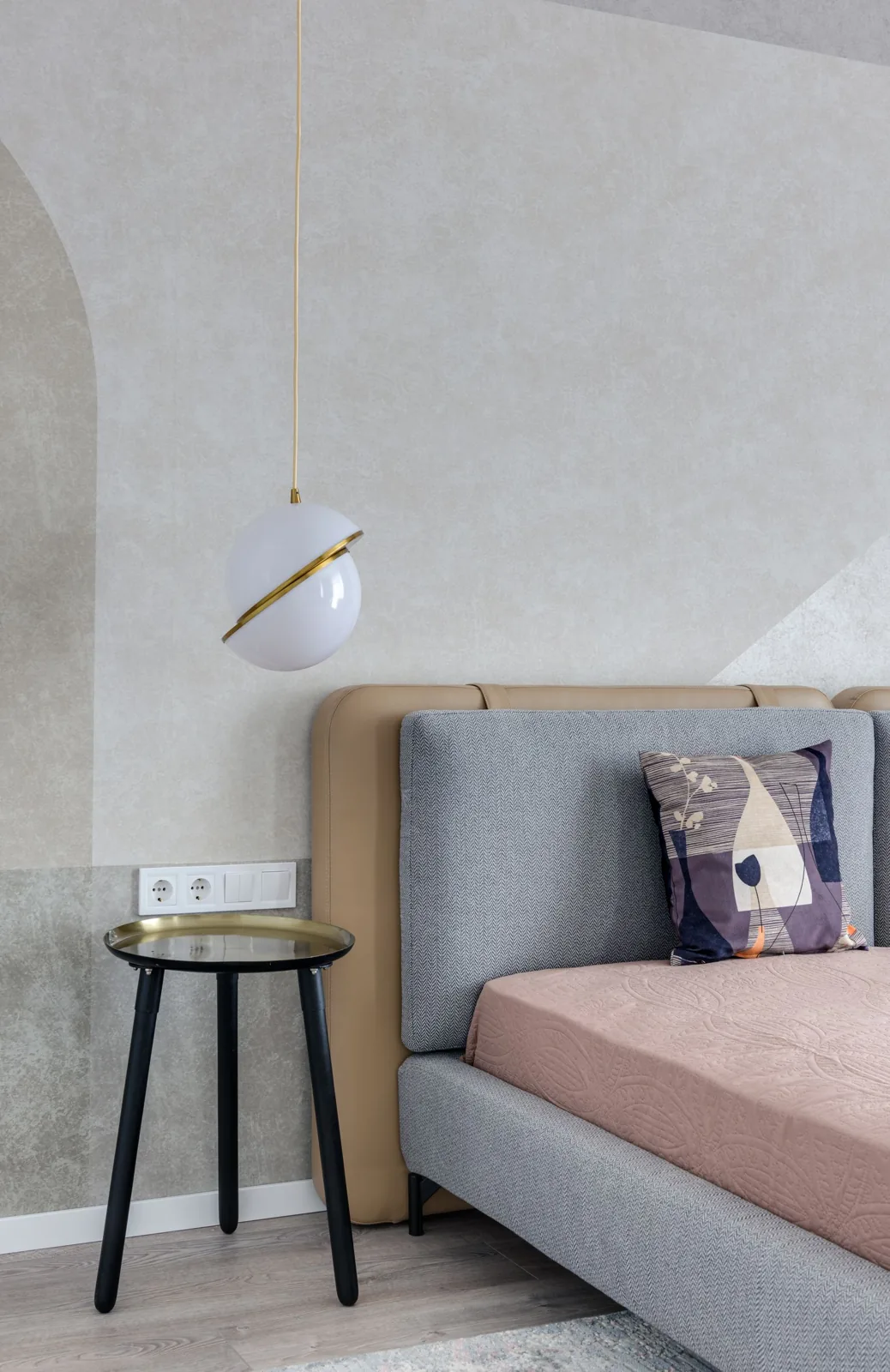
Consider a bedroom whose only unresolved task is reading after dark. The brief can end with an appropriate lamp and a safe, convenient location. It does not also require a new bedspread, artwork, and storage unit. Record those other wishes separately, so a completed lighting decision is not mistaken for an unfinished whole-room transformation. This keeps both the expense and the scope understandable.
Compare no-purchase changes first
Look for suitable existing items that could serve the priority differently. A lamp may work better beside another seat, or a storage group may become more convenient on a different shelf. Check intended use, access, and safety requirements before moving anything. Do not dismantle or relocate fixed property components as an informal experiment.
Use the revised arrangement through the relevant activity and note what remains unresolved. This is a proposed household comparison, not a claim that moving furniture always solves a problem. If the priority becomes easier with what you own, a purchase may no longer be necessary. Keep that outcome visible instead of adding an item simply because the project originally felt like a shopping task.
Choose a portable intervention with a clear job
If something is still missing, compare additions that answer it. A suitable portable lamp, properly fitting textile, or appropriate storage piece can be considered according to its actual function. IKEA's rental examples show movable accessories and furniture as ways to personalize a room. They are possibilities, not guarantees that every product fits every rental.
Check dimensions, care, installation, and ordinary operation. Portable does not mean consequence-free: a cabinet may require anchoring, a rug may affect a door, and a curtain may need an approved fitting. Keep the individual product requirements separate from the appeal of taking the object to a future home. A piece that works somewhere else still needs to work appropriately in this room now.
Make the permission and original-parts plan explicit
For any property change, confirm the relevant permission process and retain the response. Describe the actual proposed work and product rather than relying on a broad rental-friendly label. This article does not interpret tenancy terms or establish a right to drill, repaint, replace hardware, or remove fittings. Obtain appropriate advice when the agreement is unclear.
If an approved replacement involves original parts, identify and store them suitably with their location recorded. A bag labeled only screws may be difficult to use later. Include the room, fixture, and relevant instruction or approval reference. Do not discard original fittings because their replacements look better. Reversibility is a practical record and a permitted process, not merely a marketing word.
Include care and the next move in the real cost
Compare the work of owning the addition as well as buying it. A large textile may need care unavailable in your home; a delicate object may need more protection during a move; a complex unit may require approved disassembly and reinstallation. None is automatically unsuitable, but those tasks belong in the decision.
Avoid claiming that a movable purchase is guaranteed to fit the next rental or retain a resale value. The future room, requirements, and condition are unknown. Choose something whose current use justifies it and whose handling needs you understand. Keep receipts, instructions, and product identifiers together. This helps with maintenance and later decisions without turning the room refresh into an investment promise.
Complete one change before expanding the brief
After the addition or rearrangement, repeat the activity named at the start. Check its practical result and the room's other routes. A more attractive corner is less useful if it now blocks a cupboard or requires daily furniture moving. Describe any problem specifically so the next adjustment addresses the actual cause.
A room brief that ends after one useful change
Suppose the priority is an awkward evening reading position, while the sofa and walls must stay. Compare moving an existing suitable lamp, using an existing seat differently and purchasing an appropriate addition only if a function remains missing. NYSDEC describes reuse and borrowing as options before new acquisition; those options still need to fit the actual room and product requirements. Complete the selected change and assess the reading position again before expanding into curtains and cushions. This brief can finish with furniture repositioned and no purchase, rather than becoming a room-wide makeover whose original problem remains.