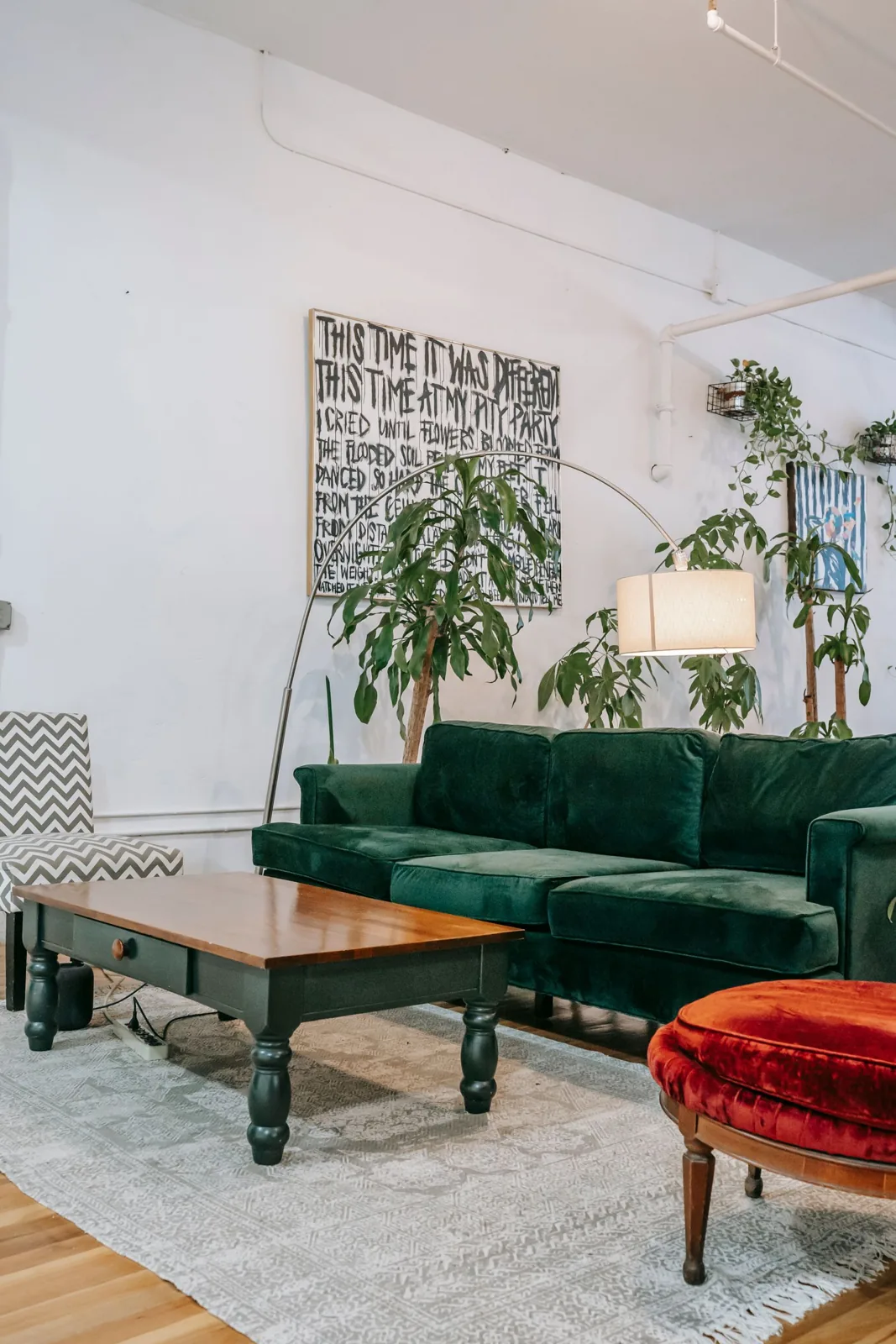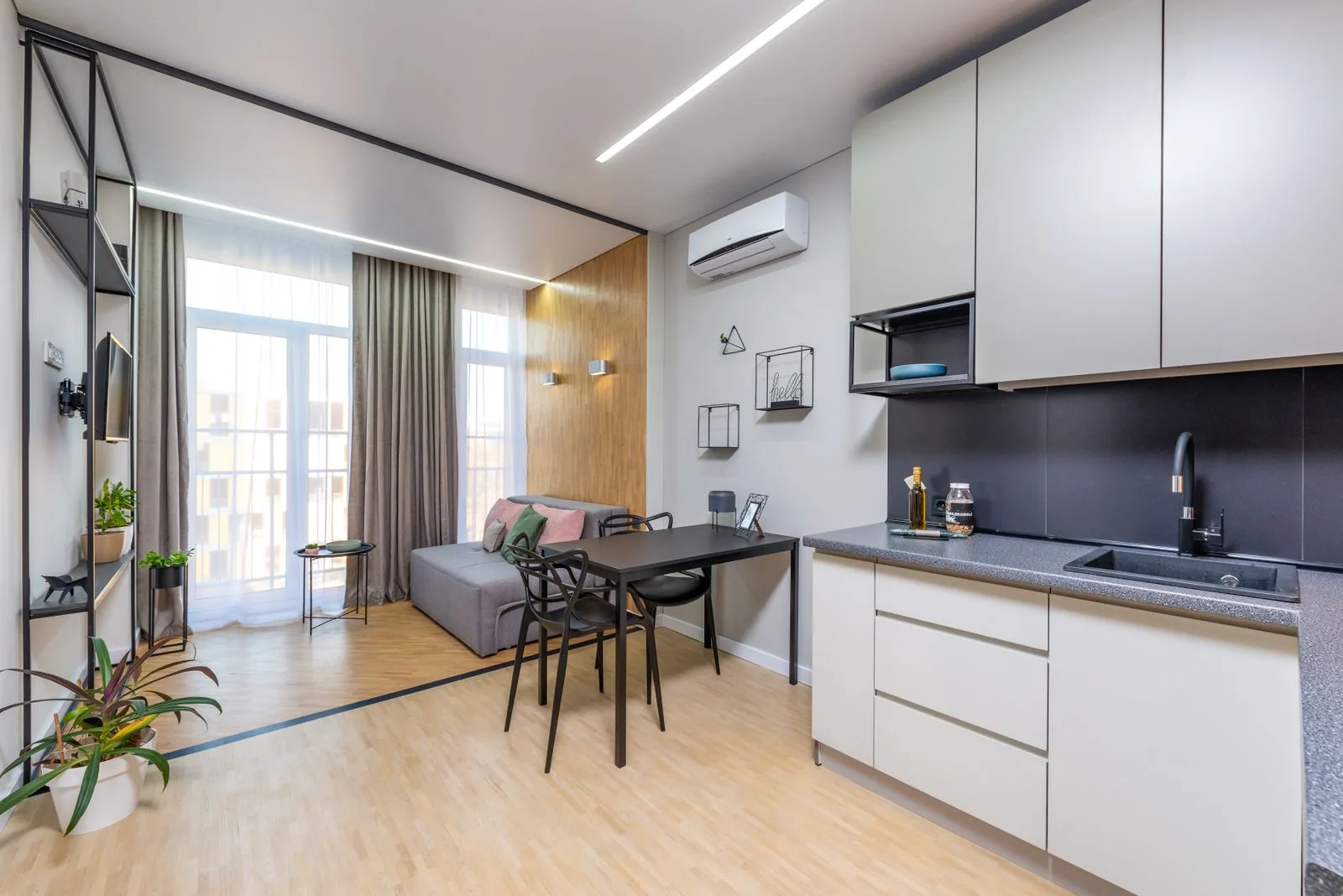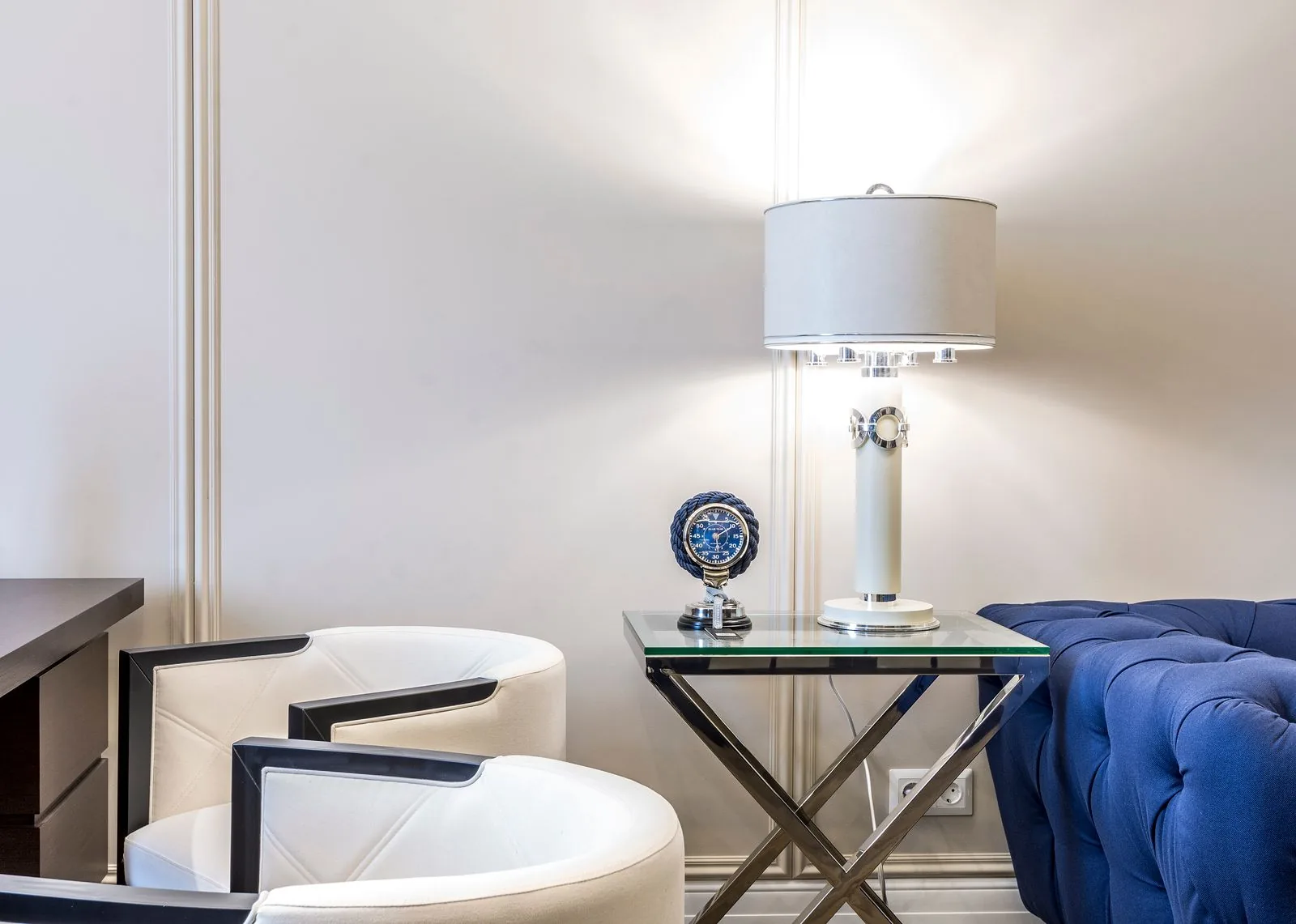
A rental lighting plan can begin with the lamps and outlets already available. Map the activities that need light, then compare a few portable arrangements. The aim is useful illumination where you spend time, without assuming that every dim corner requires a new fitting or a change to the wiring.
Map activities before counting lamps
Sketch the room and mark where you read, eat, dress, work, or move between spaces. Include activities that happen at different times. A table may need focused light for a task and a different arrangement when the room is used for conversation. The existing ceiling fitting can remain part of the plan without being expected to serve every purpose equally.
IKEA's lighting-plan guidance begins with activities and their locations. Apply that principle to the home as it is, rather than starting with a list of fixtures from a styled room. Note what already works. If an existing lamp adequately serves one task, keep that success in the plan and concentrate on the specific area that remains difficult to use.
Separate the task from the room background
Consider the room's general lighting and the particular material you need to see. A book, a craft project, and a walking route pose different questions. Focused lighting can support a task while other appropriate lighting keeps the surrounding room usable.
Do not treat a retailer's styling ratio as a lighting standard or assume it answers individual access needs. People, equipment, surfaces, and tasks differ. Where a task has specialist requirements, obtain suitable guidance. This article offers a way to compare ordinary portable lamps; it does not establish measured lighting performance, an electrical design, or a health benefit from a particular color or intensity.
Test from the position where the light is used
Sit or stand where the activity happens and look at the actual material. Check whether your body casts a shadow, whether the light reflects off a screen or page, and whether the lamp shines into your eyes. A lamp can look attractive from the doorway while being inconvenient from the chair beside it.
Adjust an existing suitable lamp only within its intended operating range. Read the lamp and bulb instructions for compatibility, heat, placement, and any enclosed-shade restrictions. Do not improvise a covering to soften a light or fit an incompatible bulb because its description sounds suitable. If you cannot confirm a component's requirements, resolve that uncertainty before using it in the proposed arrangement.
Let outlets and safe routes constrain placement
Record the available outlets and the normal paths through the room. A portable lamp still needs an appropriate power arrangement and a stable position. Keep cords out of routes and follow electrical-equipment instructions rather than assuming that an extension or concealed cable is harmless. This guide does not provide wiring or outlet-installation instructions.
If a desired location cannot be served appropriately, compare another location or a suitable product whose instructions fit the circumstances. Check who can reach its control and whether it interferes with furniture operation. A floor lamp may use less table space but occupy a route near the chair. A table lamp may leave the floor clear while consuming the only surface needed for another task.
Compare a few normal combinations
Try the lighting used during an ordinary evening, rather than judging each lamp with every other light switched off. Notice how one person's task affects someone else's view of the room. A useful shared arrangement may need an agreement about direction or switching, not simply a stronger light. Test before purchasing additional pieces whenever the existing equipment permits an appropriate comparison.
Record the result in specific terms: the page remains shadowed, the control is inconvenient, or the shade is reflected in the screen. These observations help you ask a retailer a focused question. Avoid translating a personal impression into a universal claim that a lamp prevents fatigue, improves sleep, or makes everyone more productive. Those outcomes are not established by this household planning exercise.
Choose portable changes with a clear job
If a new lamp is needed, compare its dimensions, control position, intended use, bulb compatibility, and placement requirements against the identified problem. Keep the actual instructions with the purchase record. A decorative finish can then be chosen within the options that work. There is no need to replace every lamp to make the room visually consistent.
Confirm any proposed fixed changes with the responsible property contact and appropriate qualified help. A rental-friendly description is not permission to alter the property. Stop when the important activities and movement routes have suitable arrangements that the household can operate. The result is a plan linked to real uses and constraints, with decorative choices supporting those functions rather than creating new obstacles around them.
A reading lamp that also shares the room
Compare two positions for a portable reading lamp while another person uses the room. Check the page, the other seat's view, the control and the route to a suitable outlet. Australia's lighting guidance favors matching lighting to the need and checking controls compatibility; it does not authorize changing rental wiring. One position may light the page while leaving glare in the other person's view. Try an approved adjustment or another suitable position before adding more lamps. Keep the arrangement whose controls and ordinary movements work together, rather than judging brightness from the doorway.