A reading corner earns its place when you can sit down, see the page, and put your book somewhere convenient. Start with those three actions. A spare corner does not need a new chair, a styled shelf, and a floor lamp simply because they appear together in an inspiration photograph.
Shortlist places, rather than furniture
Look for two possible reading locations in the home you already have. One might be an existing seat beside a window; another might be the quieter end of the sitting room. Include ordinary constraints: a door opening nearby, a radiator, access to curtains, and the route other people use. An empty floor area is not necessarily available once these movements are included.
Try each place with the same book and, where moving it is appropriate, the same chair. This makes the comparison about location rather than the appeal of different furniture. Notice what competes with reading there: conversation, a screen, kitchen activity, or constant movement. You are choosing a workable fit for your household, not trying to prove that every home can contain a separate, permanently quiet retreat.
Judge the chair while you are using it
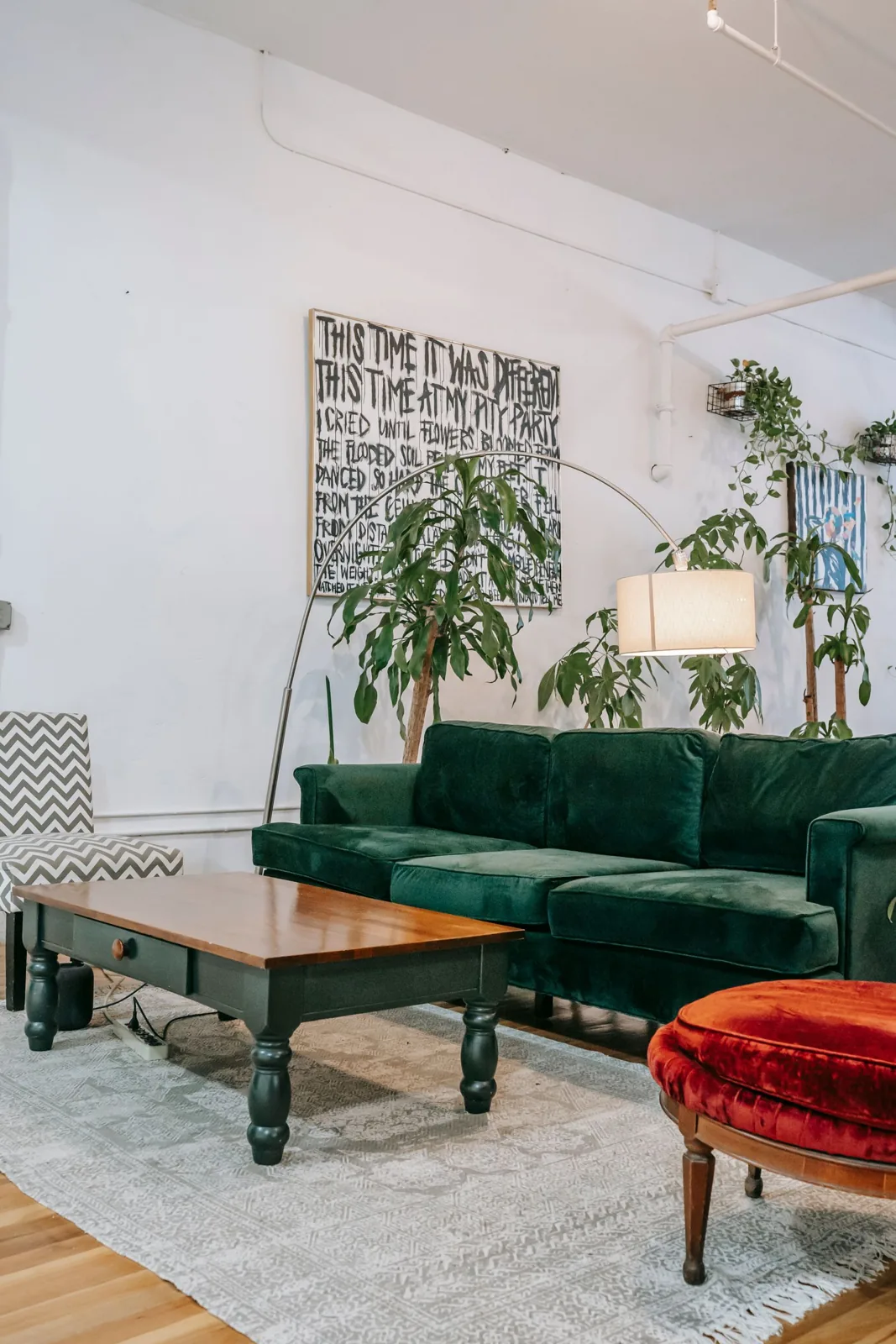
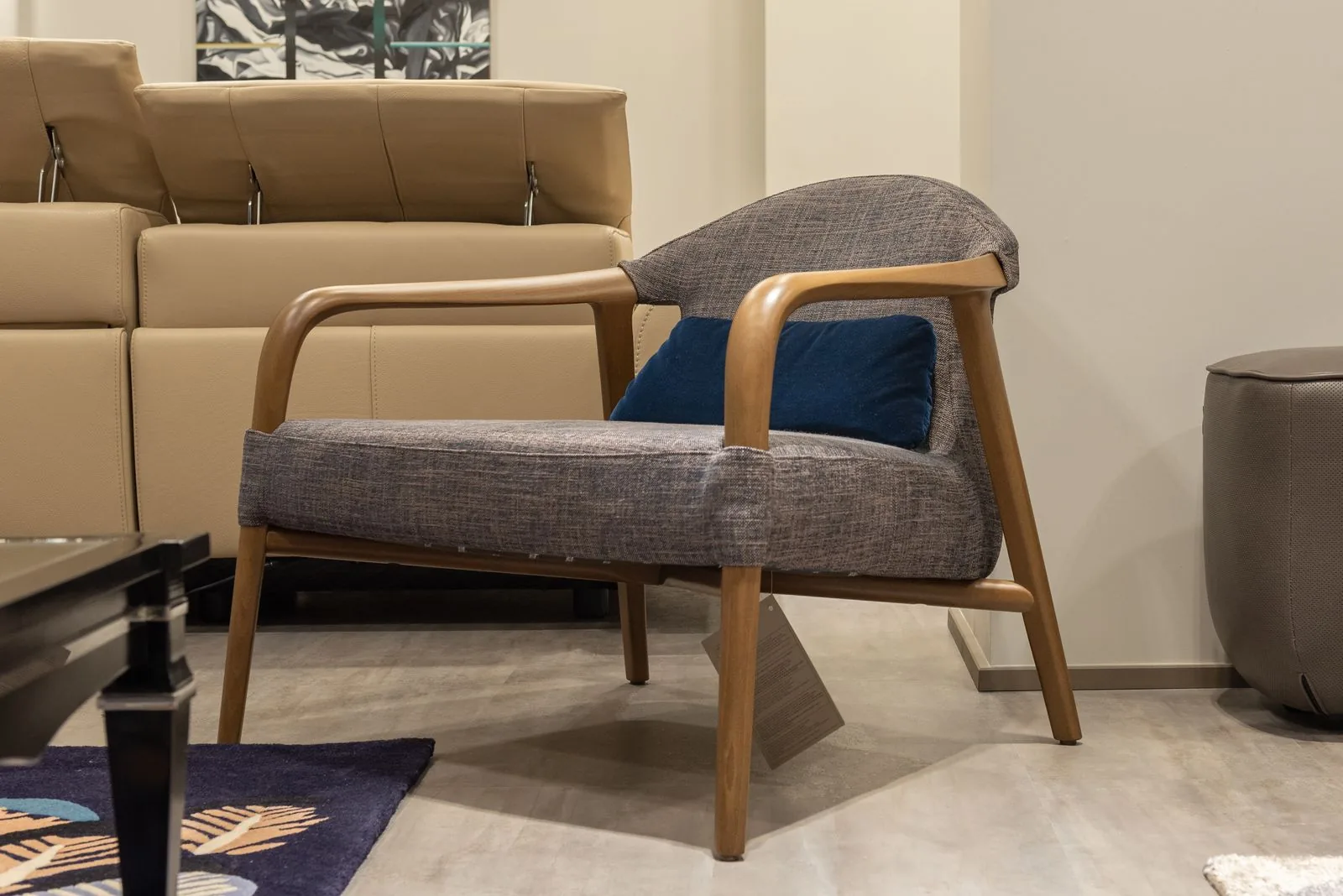
Sit as you normally read and open the actual book or other material. Check whether you can change position, reach the lamp control, and get up without shifting several objects. IKEA's armchair-corner guide brings seating, lighting, and a side table together. Treat those as related functions to assess, rather than a mandatory shopping list or a prescription for one chair shape.
A footstool changes the footprint substantially. If you use one, include it during the placement check and remove it from the route when it is not needed. Do not use storage furniture as a footrest or seat unless its instructions permit that use. Personal preferences and access needs differ; this guide does not establish a universally comfortable chair height, posture, or clearance.
Compare the page in daylight and evening light
A position that works beside a window at midday may need different lighting later. Look at the page from the actual seated position with the room's usual lighting on. Notice your own shadow, reflections on glossy paper, and any lamp that shines directly into your eyes. Adjust an appropriate portable lamp within its intended range before deciding that the location needs a new fitting.
The IKEA references distinguish focused lighting for an activity from the room's other lighting. You can use that distinction without changing wiring: assess whether a suitable existing lamp illuminates the reading material where you hold it. Follow the lamp and bulb instructions, including placement and compatibility. Keep cables out of walking routes. Electrical alterations and unsuitable improvised connections are outside this planning guide.
Give the book a reachable resting place
Set the book down as you would when interrupted. A useful surface lets you do that without balancing it on an armrest or moving a drink first. Measure the objects you actually want nearby, then compare them with an existing appropriate surface. A wide table is not necessary if the job is small, but a tiny surface crowded with decoration may not perform the job at all.
Check reach while seated and the route when standing. Table legs and lamp bases can create a more awkward arrangement than the top dimensions suggest. If the surface also belongs to another activity, decide how both uses coexist. Avoid adding a stack of books as an improvised support for a lamp or other object. Stability and the intended use matter more than achieving the look of a reading vignette.
Add softness only where it helps
A cushion or throw can be a pleasant personal choice, provided it does not make the seat difficult to use. Try one you already own and decide where it goes when unwanted. Extra textiles need care and a place to live; they are not automatically required to make the reading spot complete. Read the actual care label before choosing something that will be used frequently.
Keep the surrounding display modest enough to leave the practical functions available. Current reading may belong nearby, while the wider collection can remain on its existing shelf. Do not place shelves or heavy displays above the chair without appropriate installation and permission. A portable arrangement can still feel intentional through a repeated color or material. It does not need to become a construction project.
Choose the location that needs fewer corrections
Use the shortlisted places through the times you are most likely to read. Record a specific snag rather than a general impression: the table blocks your exit, the lamp control is out of reach, or another person cannot pass comfortably. Correct one issue at a time, while respecting the furniture and lighting instructions.
The afternoon chair and the evening chair
Compare a window-side chair with an existing seat across the room using the same book. Observe each at the times you expect to read, including where a lamp can stand without crossing a route. Australia's energy guidance discusses using local lamps for modest lighting needs; it does not establish a reading-light prescription for every person. In this comparison, choose by the page, reach and control position you actually need. A seat with a convenient switch and resting surface may need fewer changes than a brighter-looking corner with nowhere suitable for the lamp.