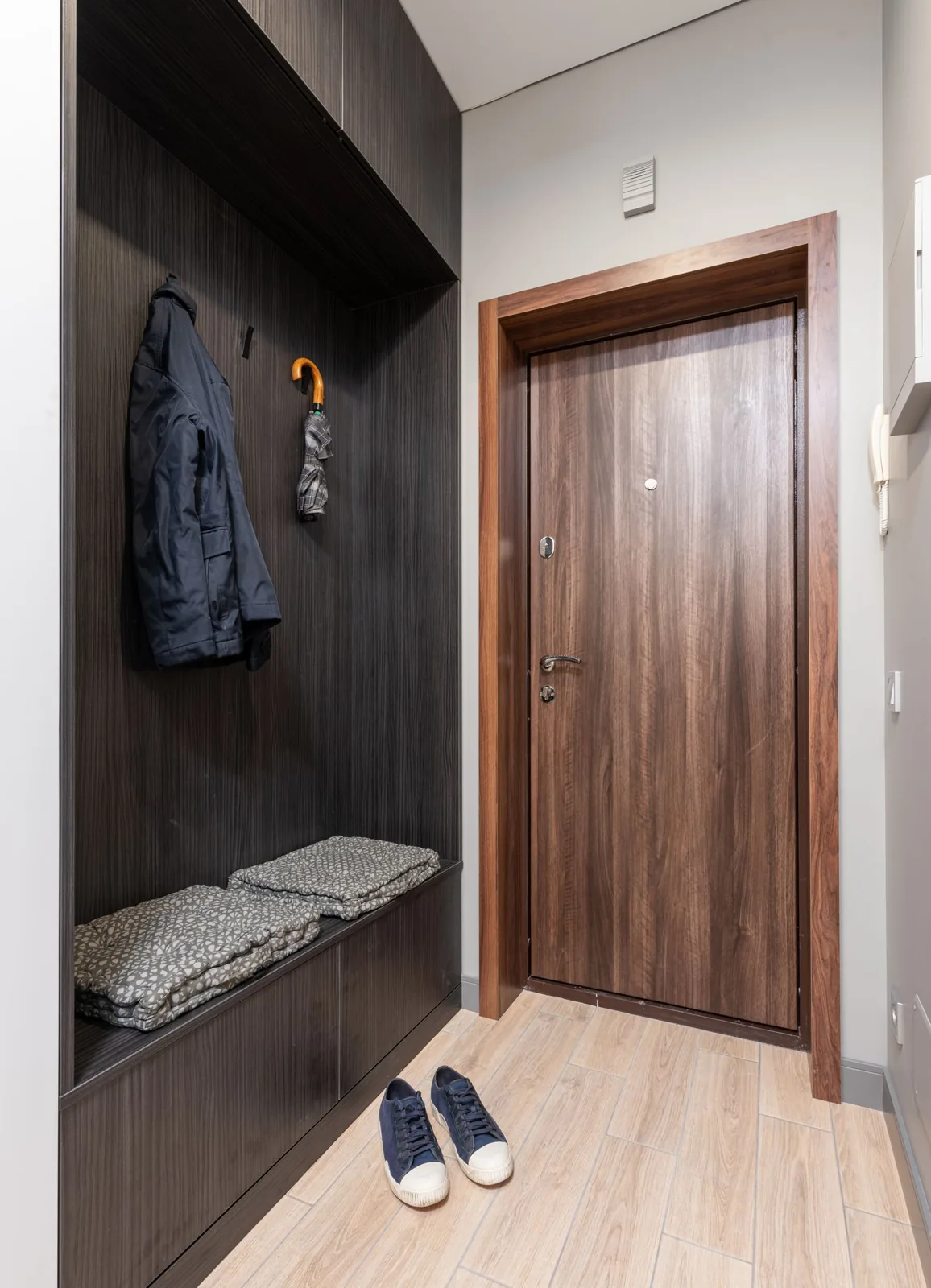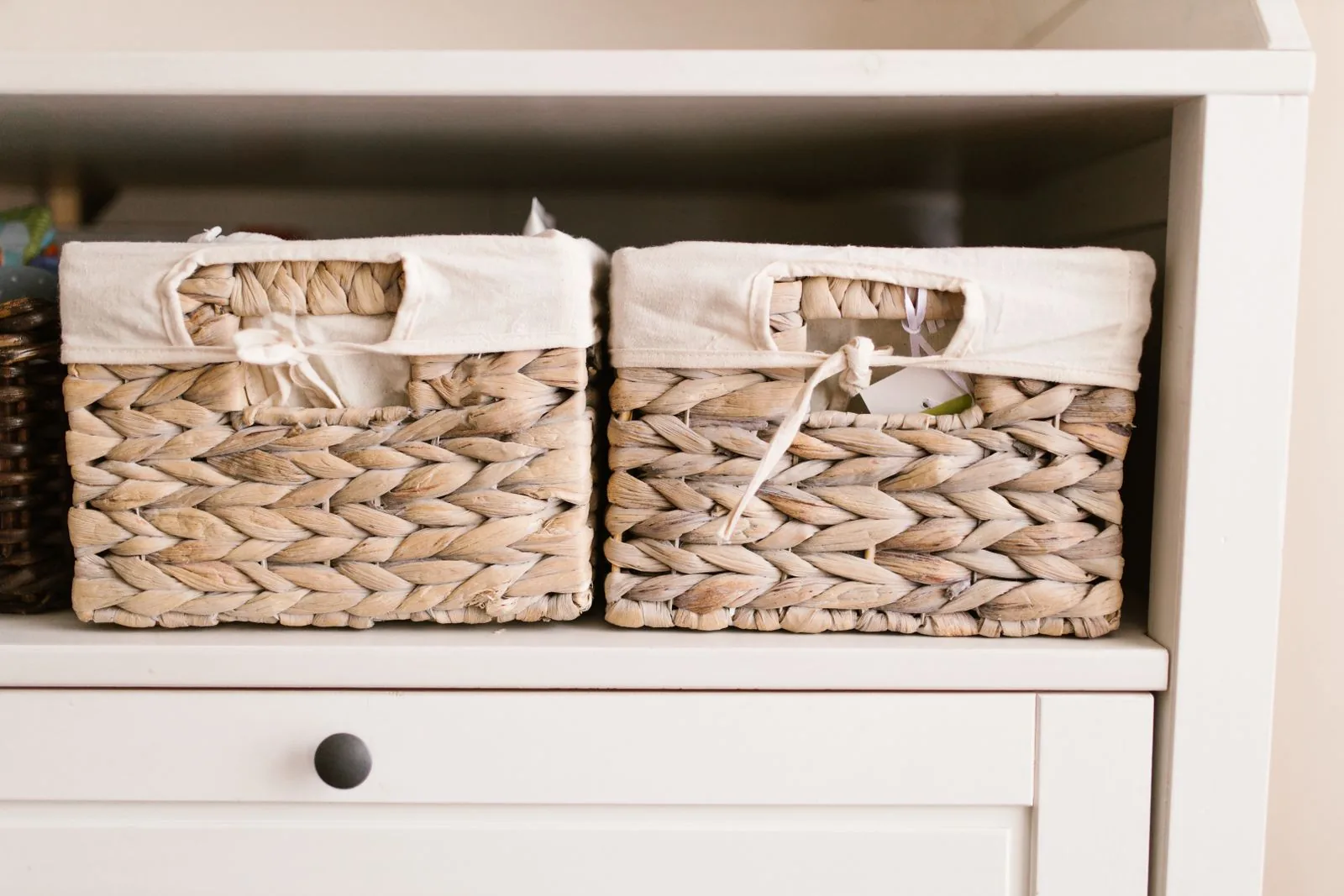
When items repeatedly stop short of their intended home, inspect the journey before blaming the people using it. A destination can be unclear, full, awkward, or out of step with the task. Trace one real example and change the specific handoff that prevents the next action.
Choose one item that repeatedly gets stuck
Identify an ordinary example: a bag left on a chair, a tool returned to the wrong box, or clean laundry waiting beside a wardrobe. Describe its last known action and intended destination. Avoid starting with a whole room because several unrelated problems can hide beneath the same visible clutter.
Ask the relevant person to explain the journey without turning the observation into a test of character. They may know a practical obstacle the organizer has missed. Keep personal boundaries intact; reviewing a shared system does not authorize searching private belongings or discarding unclaimed possessions. The aim is a clear account of where this particular object stops and what would allow its next step.
Compare the same item in both directions. A container that opens easily on an empty table may be awkward to reach inside a cupboard while carrying other belongings. Rehearse the ordinary approach and return position, with the usual neighboring objects present. This keeps the review grounded in actual use rather than the convenience of the sorting session.
Separate finding from returning
A system can make an item easy to see while making it difficult to put back. Open shelves offer visibility, while doors or drawers can provide enclosure; IKEA’s storage guide discusses choosing between those forms. Neither is automatically better. Compare how the object is retrieved, used, and returned in the actual room.
For example, a tall stack may display a category clearly but require lifting several items to return the bottom piece. A lidded box may contain the right group while needing two hands at the moment someone is carrying a bag. Describe the action causing difficulty. Do not assume a new label fixes a physical obstacle or that removing every door is the answer to a visibility problem.
Check capacity with the ordinary returning load
Look at the destination when all normally used items are back, not only after some have been removed for a photograph. Laundry, documents, and hobby supplies can seem to fit while part of the group is elsewhere. The receiving space needs to work at the stage the routine actually reaches.
IKEA’s laundry examples distinguish sorting, drying, folding, and return. Use that stage-based approach to see whether the destination is truly the problem or whether an earlier task remains unfinished. If clean clothes await an owner decision, more drawer dividers may not help. If the shelf is physically full, a reminder alone cannot create capacity. Choose a response that matches the specific obstruction.
Keep a short note of the successful handoff, so the reason for the new arrangement survives the next tidy-up.
Check the destination name and ownership
Ask what the user expects the group to be called and who has the next action. Miscellaneous, later, and sorting can hide different intentions. One person may think a basket holds finished items while another treats it as an inbox. Clarify the status before changing the container.
If several people share the area, agree a recognizable destination and an appropriate handoff. Do not silently assign ongoing maintenance to whoever first arranged it. Keep the wording plain and make personal versus common groups explicit. A system whose meaning exists only in one person’s memory can fail when that person is unavailable, even if its physical layout is otherwise convenient.
Change one cause and define what to observe
Choose a small reversible adjustment that addresses the identified obstacle: simplify a category, move a suitable container, reduce a difficult stack, or agree a clearer return stage. Follow product requirements and permissions. Do not modify furniture, add unsafe storage, or overload a shelf in the name of an organizing experiment.
Decide what would count as improvement during ordinary use. The item should be found and returned with less uncertainty, without creating a new problem elsewhere. Observe several relevant occasions if useful rather than judging only the newly arranged shelf. This is a suggested household comparison, not a measured claim that one method will work for every person or reduce effort by a particular amount.
Keep the useful change and remove obsolete rules
Review the outcome with the users. If the item still stops, trace the journey again and identify what remains different from the plan. You may discover that schedules changed, the contents grew, or the destination no longer matches the activity. Adapt the system to that reality instead of restoring an old photograph as the only acceptable result.
The bag that returns to the chair every evening
Trace a work bag from arrival to its intended cupboard with the usual contents and neighboring objects present. If the cupboard requires moving a box before the bag fits, the return task differs from the empty-cupboard demonstration. Try an appropriate change to that obstacle, then observe the same journey on another ordinary evening. A label might clarify which shelf is intended, but it cannot remove a physical obstruction. Ask the bag's owner which step remains awkward before changing another category. This diagnosis stays with one repeatable failure instead of declaring the whole household system ineffective.