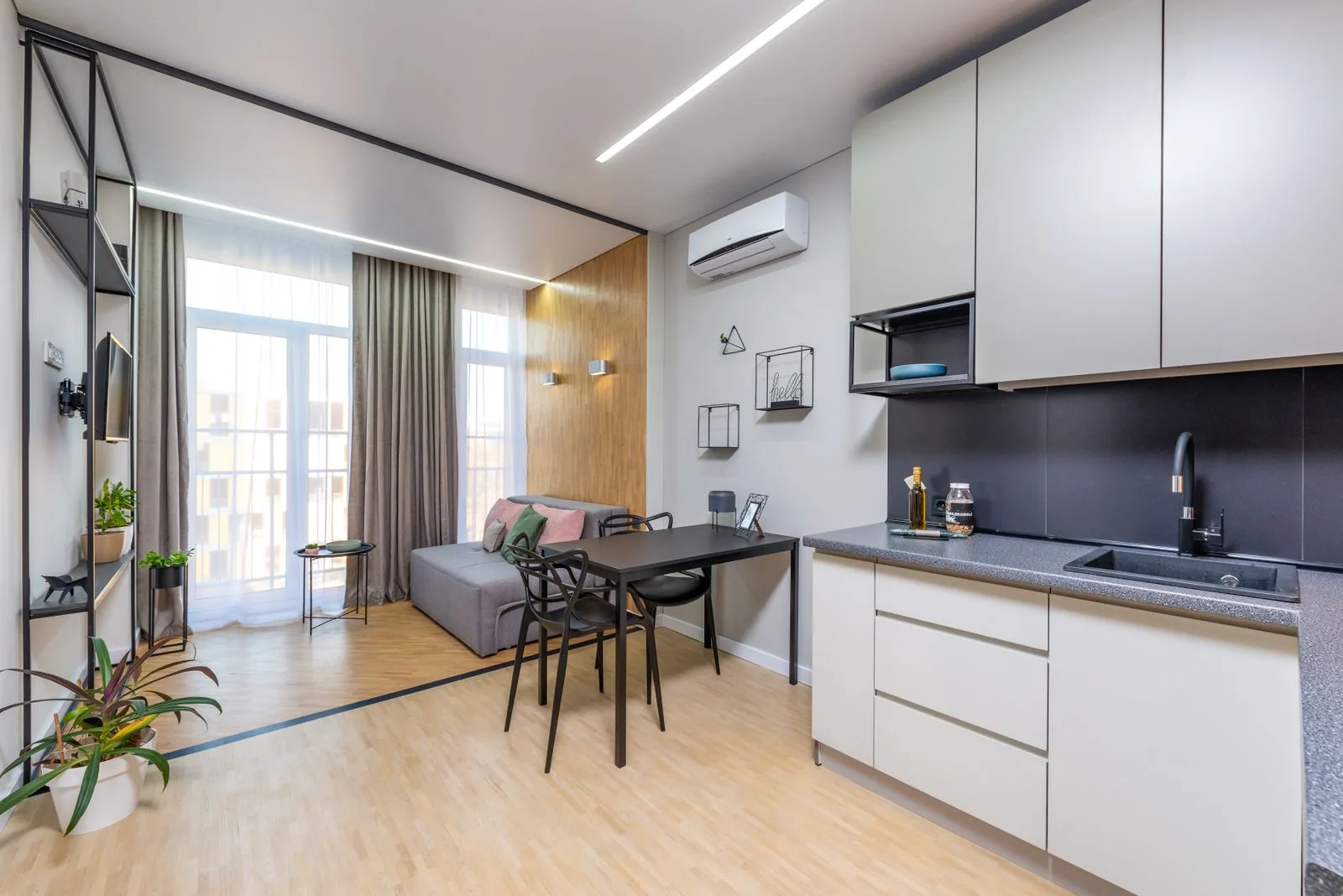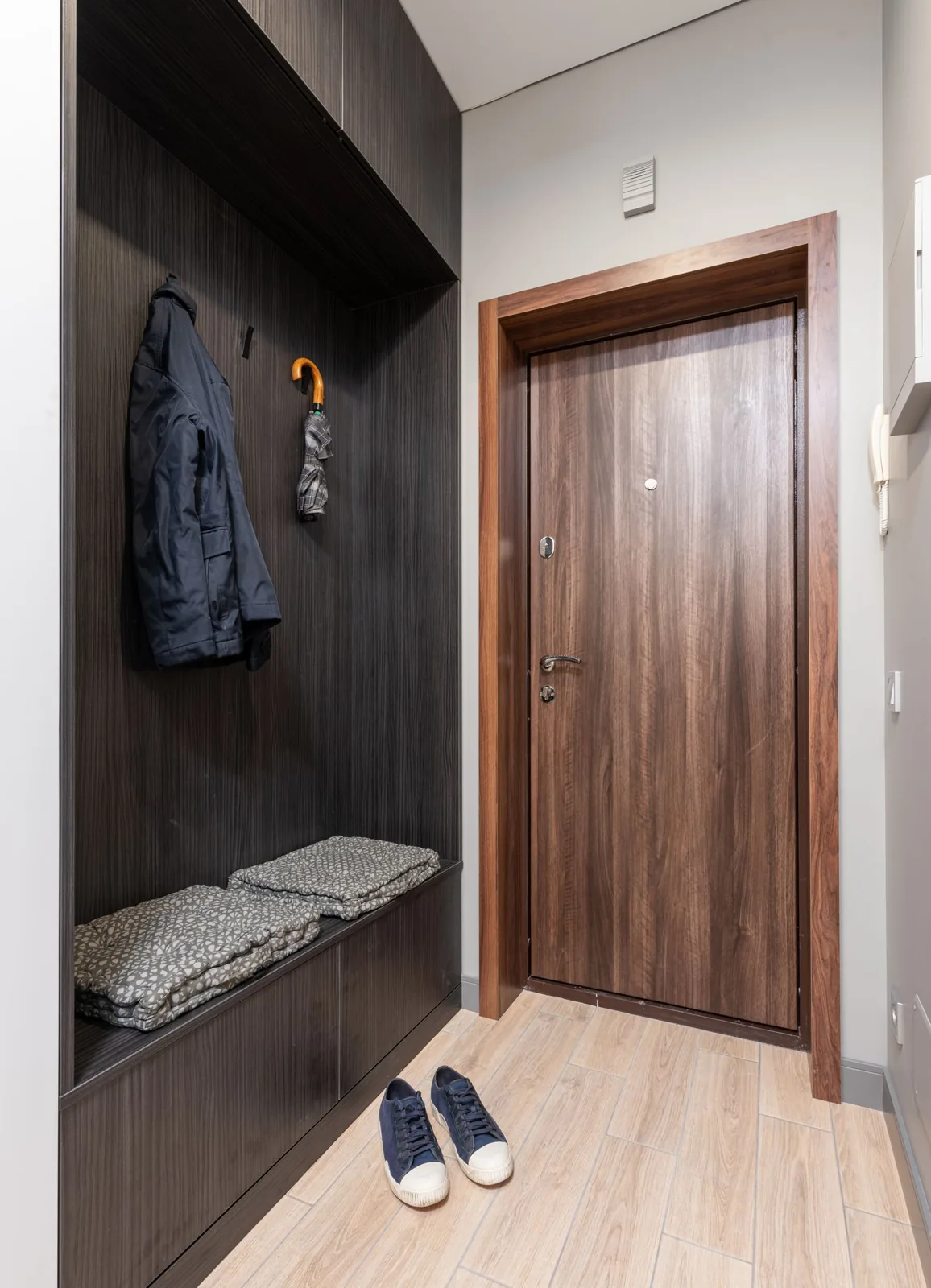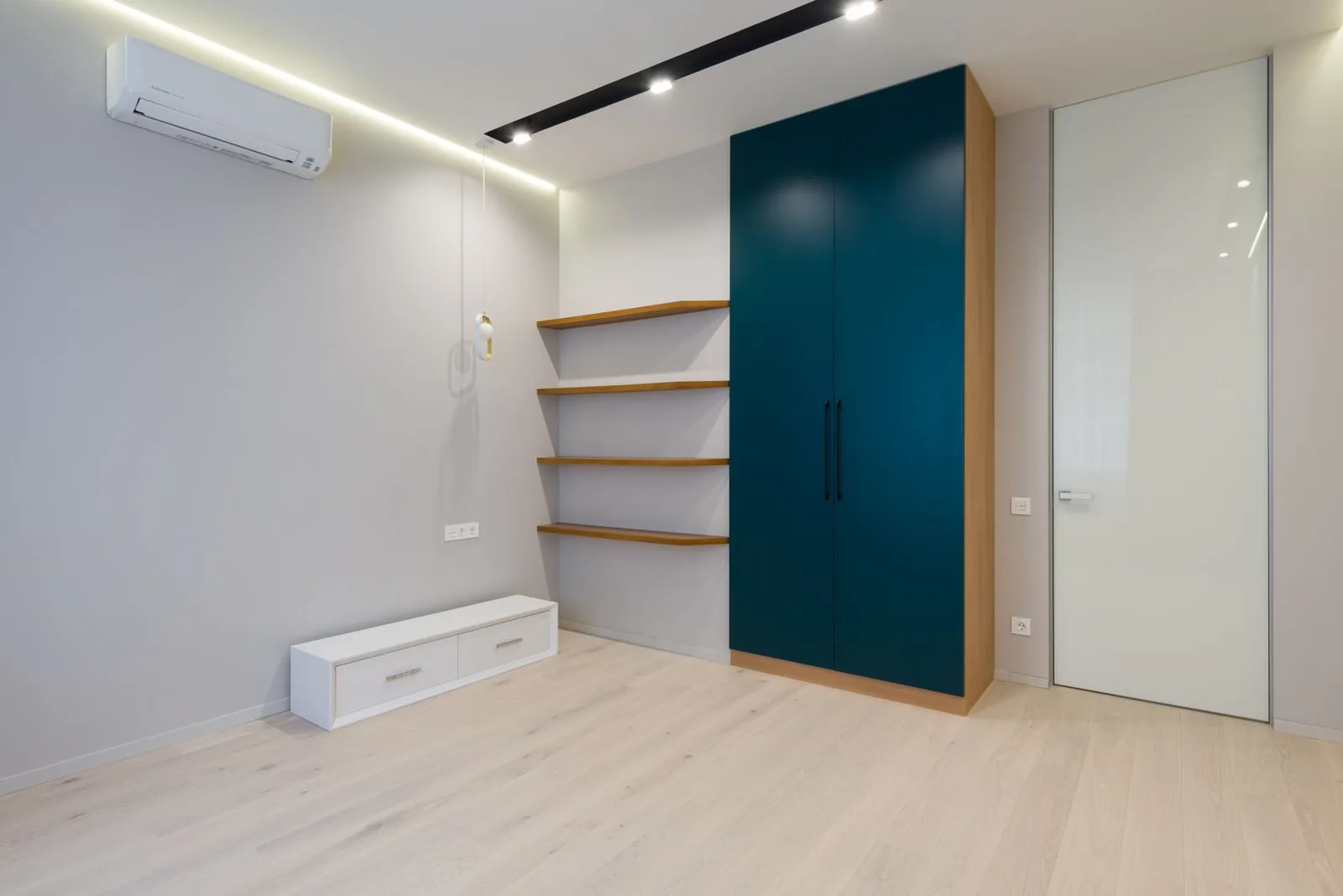
The question is less about whether shelves or doors look better and more about what happens between taking something out and returning it. Some belongings benefit from being visible. Others need a suitable enclosure. A room can use both without becoming a matching furniture collection.
Make the comparison about one group of objects
Start with a particular group: current books, games used together, spare cables, or objects you enjoy displaying. Write down how often the group is used, who uses it, and whether its members need to stay together. Avoid describing the entire living room as clutter. That label does not explain what kind of storage would improve a specific task.
Then distinguish seeing from accessing. You may enjoy seeing a ceramic object without touching it often. Conversely, you may need frequent access to a collection you prefer not to display. IKEA's open-and-closed storage references treat visibility and enclosure as different benefits. Your inventory turns those broad options into a decision about the belongings actually waiting for a home.
For example, separate a current reading group from books kept mainly for reference. The first group might benefit from a reachable open shelf, while the second needs suitable support and an appropriate location regardless of whether a door is present. This comparison makes the storage choice specific to use rather than a general judgment about which furniture looks tidier.
When open storage makes the task easier
An open shelf can remove the step of opening a door and help you recognize an item quickly. That can suit a current reading group or objects regularly taken down and returned. Check the shelf depth and the item's position, though: a small object hidden behind a larger one is not meaningfully visible simply because the furniture has no door.
Open storage also leaves its contents exposed to ordinary room conditions. Consider how easily you can remove objects for appropriate cleaning and whether the location is suitable for their materials. Do not equate a visually light shelf with a maintenance-free solution. If keeping the shelf usable requires a precise decorative arrangement that no one can maintain, simplify the grouping before deciding that more shelving is needed.
What a door can and cannot do
A cupboard or drawer can keep a mixed collection out of the main view. It may reduce some dust exposure, but a normal cabinet is not automatically airtight, humidity-controlled, secure, or suitable for delicate objects. Check the actual furniture and material-care requirements rather than treating enclosure as a guarantee of protection.
Access is the other half of the decision. Draw the door or drawer in its open position and consider where you stand to use it. A chair that must move every time can turn useful enclosed storage into a place people avoid. Small objects can still become lost inside a cabinet. Appropriate internal groupings matter even when the exterior appears calm with the door shut.
Use a mixed unit with distinct responsibilities
A combination of open and closed compartments can work when each has a named job. Display a small suitable group above and keep related everyday supplies in an accessible drawer, for example. The objects do not all need to match. The relationship is functional: you know which things are visible and which things are contained, and why.
Avoid assigning every remaining object to the closed section simply because it has space. A miscellaneous compartment without boundaries can soon become difficult to use. Record which categories belong there and what happens when they no longer fit. Follow the unit's load, installation, and anchoring requirements. Adding doors or changing its use does not remove those instructions, and a modular appearance does not authorize arbitrary combinations.
Compare the full return journey
Imagine finishing the activity that uses the objects. A game has pieces to collect, a work kit has papers to separate, and a book may need to stay available for tomorrow. Place the storage where that return can happen conveniently. The best position for displaying a cabinet from the doorway may not be the best position for putting things away.
Try the planned grouping in existing suitable storage before buying a new unit. Notice how many steps are involved and whether another household member can understand the destination. This is a proposed comparison, not a measured claim that one storage type is faster. Change the compartment or category if an ordinary return requires lifting out several unrelated groups each time.
Make a small decision record
For each group, note four things: visibility preference, frequency of use, material requirements, and the space needed to open or reach its storage. Compare candidate furniture against those details. Add internal dimensions and installation requirements before purchasing. A photograph of the closed exterior cannot establish whether the contents will fit or remain accessible.
One game collection, two return routes
Place a frequently used board game in an accessible open compartment and imagine the same box behind a cabinet door. Compare retrieving and returning it with the chairs in their normal positions. If opening the door requires moving a seat, enclosure adds a task; if loose components need appropriate containment, an open display alone does not solve that requirement. Keep the box and its pieces together in either arrangement. This is a comparison of access and grouping, not a rule that visible storage is always quicker or that doors automatically protect every material.