Preparing for a visitor starts with the kind of visit, not with hiding every sign that you live at home. Make a suitable place to sit, keep ordinary routes clear, and explain the practical essentials. A small home can welcome someone through a few thoughtful decisions rather than a complete rearrangement.
Clarify the visit before changing the room
A short conversation, a shared meal, and an overnight stay need different arrangements. Confirm what is planned and ask about practical requirements rather than assuming every guest is comfortable with the same seat, stairs, food, or sleeping setup. Let the visitor describe what they need without making them justify a preference.
Keep the plan within what your home can appropriately provide. This guide does not establish accessibility compliance or guarantee that an overnight arrangement suits every person. If a need cannot be met safely or comfortably, discuss an alternative before the visit. A smaller gathering or a different location can be a considered hosting decision, rather than evidence that you failed to make enough room.
Begin with a suitable seat and a clear route
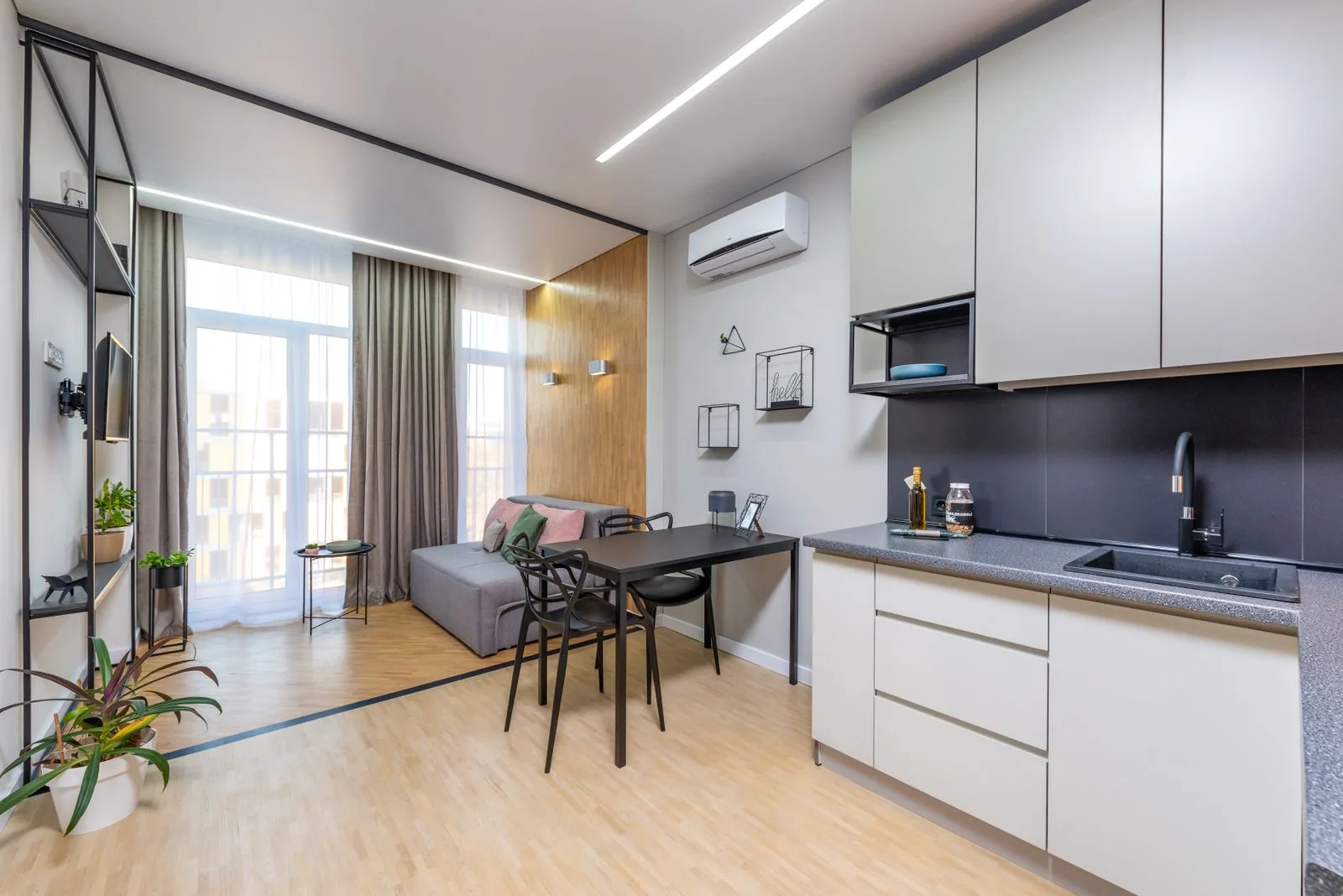
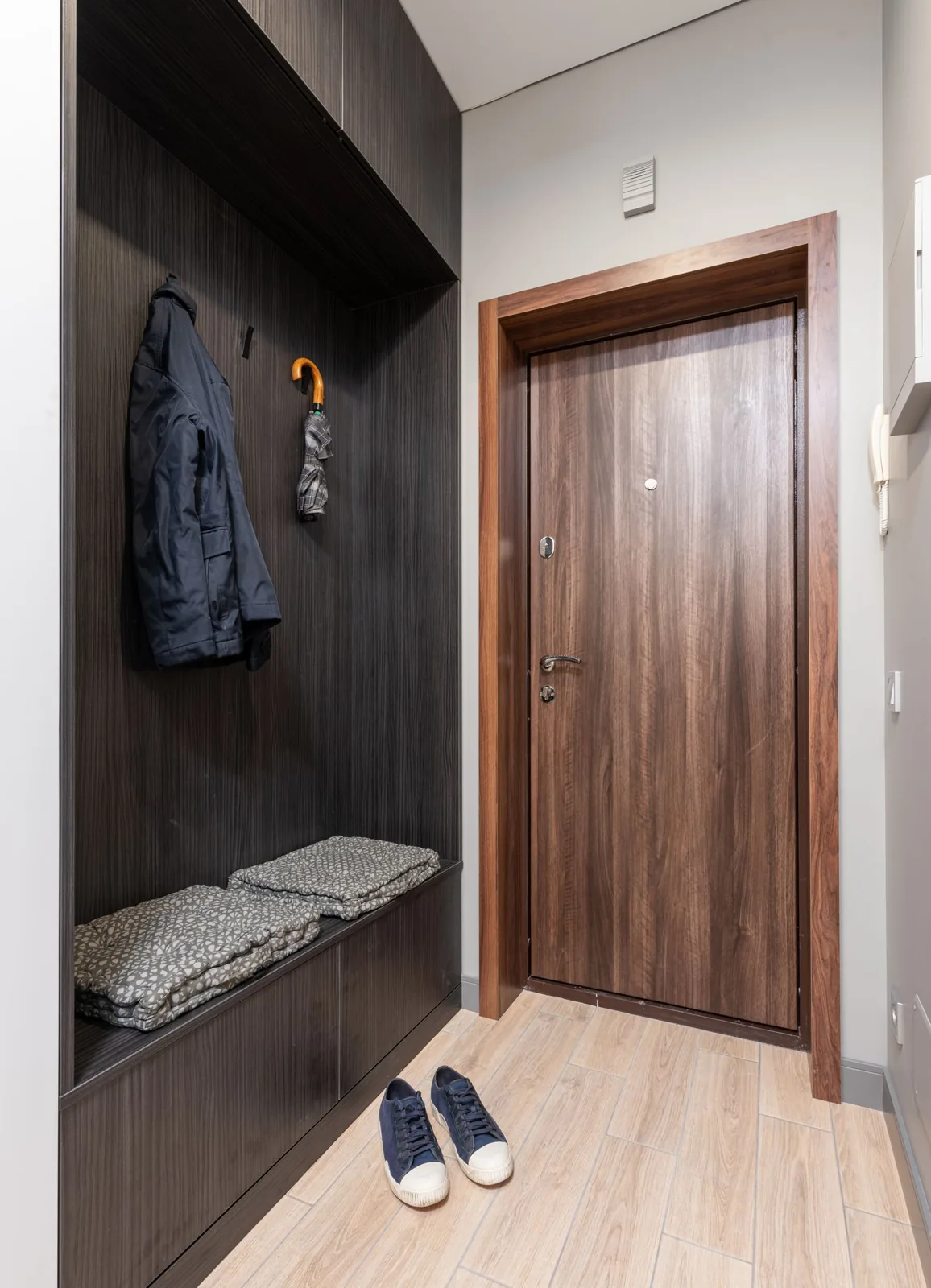
Walk through the arrival and movement sequence with the room in its proposed visiting arrangement. Check doors, shared circulation, and access to the bathroom. Temporary tables and bags should not obstruct exits or turn an ordinary route into a narrow obstacle course. Choose seating intended for the actual use, following product requirements.
IKEA’s small-space examples show compact or multipurpose furniture as options. A stool may suit one visit and not another; a storage box is not automatically a seat. Compare what you already own before buying extra pieces. Borrowing appropriate furniture can also be considered, provided you understand its condition, operation, and placement. Do not sacrifice a workable route simply to accommodate one more decorative table.
Clear useful surfaces without losing possessions
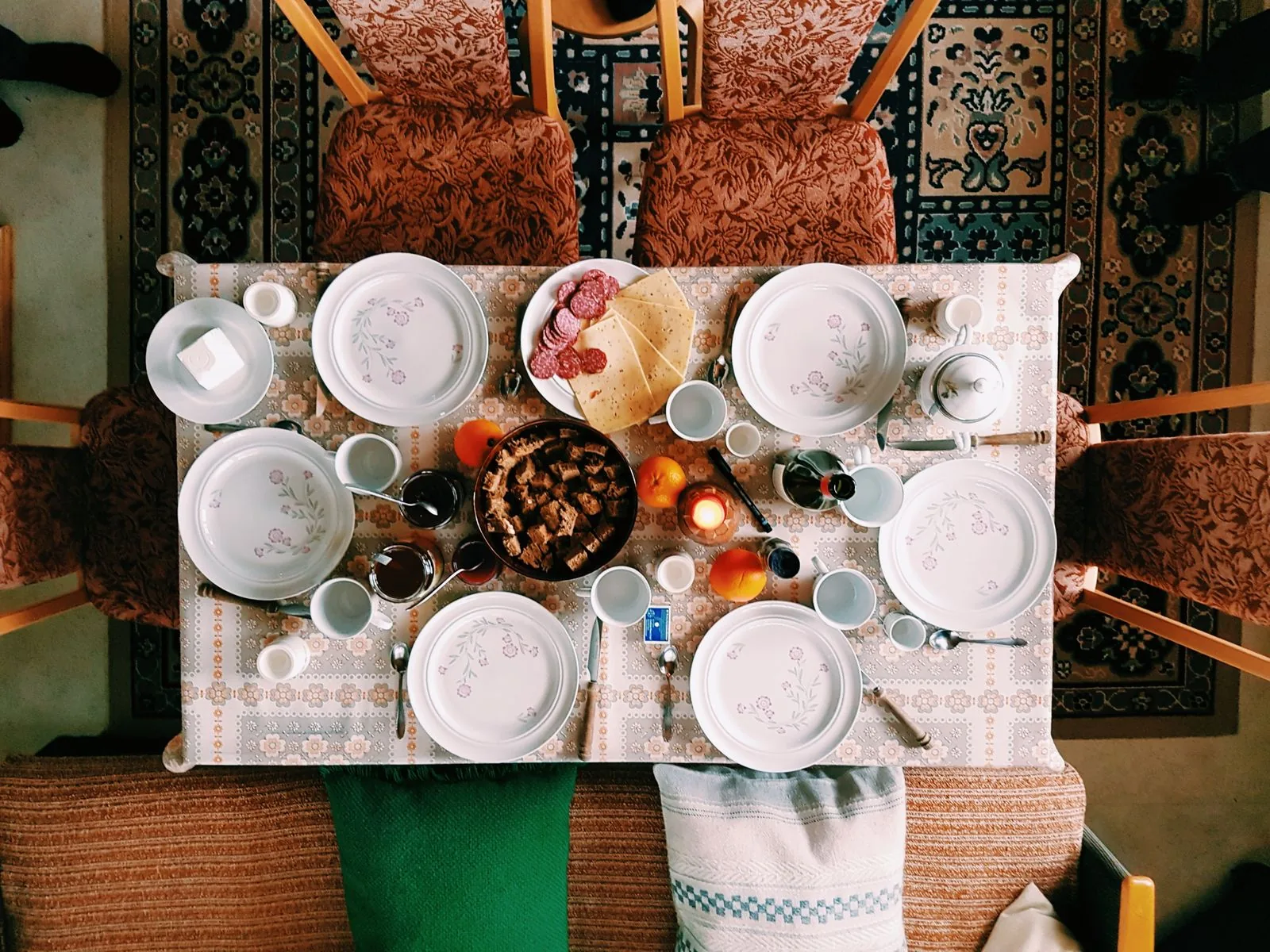
Choose the surface the visit actually needs: a meal table, a place for a drink, or a small landing area for a guest’s bag. Return ordinary items to their existing destinations. For work in progress, use an agreed temporary kit or location that you can identify after the guest leaves.
Avoid sweeping unrelated possessions into an anonymous cupboard. That can make the room look ready while creating an uncertain retrieval task for tomorrow. Keep personal paperwork private and do not move another household member’s belongings without agreement. A practical guest arrangement can leave books, hobbies, and everyday objects visible when they do not interfere with the visit. The home does not need to impersonate an unused hotel room.
For a brief afternoon visit, the plan might end with two appropriate seats, a clear route, a usable drink surface, and a place for coats or bags. It need not include rearranging the bedroom or buying matching tableware. If the visit later changes to an overnight stay, make a fresh practical plan instead of assuming the earlier setup covers sleeping, privacy, and morning access.
Make the practical essentials easy to ask about
Show the bathroom and identify an appropriate hand towel and other ordinary supplies. Explain any relevant household convention in a friendly, concise way. If a guest needs something, make it easy to ask rather than expecting them to search unfamiliar storage. Check any particular requirements directly rather than adding a universal hospitality checklist.
For an overnight visit, agree a suitable sleeping arrangement, privacy, lighting controls, and where belongings can go. IKEA’s overnight guide highlights access to basics and personal space, but its decorative examples are not permission to modify products or improvise unsafe dividers. Follow the actual furniture instructions, care requirements, and room limits. Keep exits and essential household access usable in both evening and morning arrangements.
Choose a manageable level of hosting work
If sharing food or drinks, keep preparation appropriate to the people, available facilities, and relevant food requirements. This article does not supply food-safety or allergy advice. Ask about needs and follow suitable guidance. Do not add unfamiliar equipment merely because a small-space example makes it look convenient.
Agree what help is welcome. A guest who wants to set out cups needs to know which cups and where they belong; another may prefer to remain seated. Keep tasks optional and understandable. The room’s arrangement should support spending time together rather than require continuous furniture moving. Choose a simpler plan if a complex meal or elaborate setup leaves the host unable to participate in the visit.
Plan how the room returns to daily use
Before the visit, identify where borrowed furniture, guest linens, and temporary work kits will go afterward. Keep any care steps tied to their actual instructions. Do not assume every textile can be washed together or that an overnight setup can be restored safely in a promised number of minutes.
The overnight bag and the next morning’s room
For an agreed overnight visit, ask where the guest can put a bag without blocking the room after the sleeping arrangement is in use. Then trace the next morning: another household member needs the table, the visitor needs bathroom access, and the guest linens need their appropriate next stage. Give the temporarily displaced work kit a destination that remains identifiable after breakfast. If the room cannot support those transitions, discuss a different suitable arrangement before the visit. This example checks the return to daily use, rather than extending an afternoon seating plan into a sleeping promise it was never designed to make.